
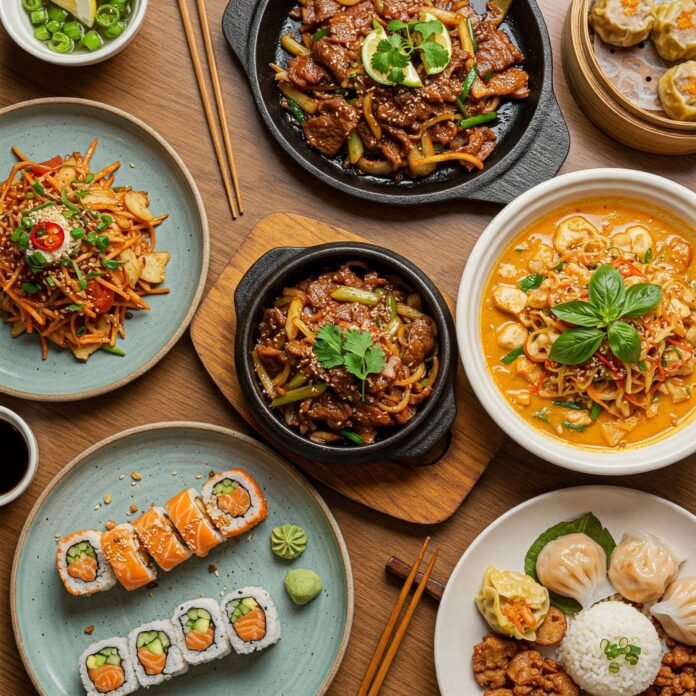
Asian cuisine is a vast and diverse tapestry of flavors, textures, and aromas. It’s a culinary journey waiting to be explored, and you don’t need to be a professional chef to embark on it. This Beginner’s Guide to Cooking Asian Cuisine at Home will equip you with the knowledge and confidence to create delicious and authentic dishes right in your own kitchen.
Understanding the Foundation of Asian Cuisine
Asian cuisine is incredibly diverse, spanning a vast geographical area from India to Japan. However, there are a few common threads that tie these culinary traditions together:
- Fresh, high-quality ingredients: The emphasis is always on using the freshest, seasonal produce and high-quality proteins.
- Flavorful sauces and broths: Asian cuisine is renowned for its rich and complex sauces, broths, and marinades. These often feature a balance of sweet, sour, salty, and spicy flavors.
- Rice and noodles: Rice and noodles are staples in many Asian cuisines, serving as a base for countless dishes.
- Healthy cooking methods: Steaming, stir-frying, and grilling are common cooking methods that preserve the nutritional value of ingredients.
Keywords: Asian cuisine, Asian recipes, cooking Asian food, Asian cooking tips, beginner Asian recipes, authentic Asian food, Asian flavors, Asian ingredients
Essential Pantry Staples for Asian Cooking
Before you start cooking, it’s helpful to stock your pantry with a few key Asian ingredients:
- Rice: Jasmine rice, brown rice, and sticky rice are all popular choices.
- Noodles: Explore different types like ramen, udon, soba, and rice noodles.
- Soy sauce: A versatile ingredient for seasoning and marinating.
- Fish sauce: A pungent sauce that adds depth of flavor to many dishes.
- Oyster sauce: A thick, savory sauce with a slightly sweet flavor.
- Rice vinegar: Adds a tangy flavor to dishes.
- Sesame oil: A fragrant oil used for cooking and finishing dishes.
- Ginger and garlic: Essential aromatics in many Asian dishes.
- Chili flakes: Add heat to your dishes according to your preference.

Mastering Basic Techniques: Stir-Frying and Steaming
Two fundamental techniques in Asian cooking are stir-frying and steaming:
- Stir-frying: This method involves cooking ingredients quickly over high heat in a wok or large skillet. It requires constant movement to ensure even cooking and tender vegetables.
- Steaming: A healthy and flavorful cooking method that preserves the nutrients and natural flavors of ingredients. Use a steamer basket or a wok with a steamer insert.

Beginner-Friendly Asian Recipes to Try at Home
Here are a few simple yet delicious Asian recipes to get you started:
- Pad Thai: A popular Thai dish featuring stir-fried rice noodles with vegetables, protein (like tofu or shrimp), and a tangy peanut sauce.
- Fried Rice: A versatile dish that can be made with leftover rice and a variety of vegetables and protein.
- Stir-Fried Vegetables with Ginger and Garlic: A quick and easy side dish that showcases the flavors of ginger and garlic.
- Chicken or Tofu Satay: Marinated skewers of chicken or tofu grilled or broiled and served with a peanut dipping sauce.
- Simple Ramen: Customize instant ramen with fresh vegetables, protein, and a soft-boiled egg.

Tips for Cooking Asian Cuisine at Home
- Taste as you go: Adjust seasonings throughout the cooking process.
- Don’t be afraid to experiment: Try different ingredients and flavors to find what you enjoy.
- Use fresh herbs: Fresh herbs like cilantro, mint, and basil add a burst of flavor to many Asian dishes.
- Learn to balance flavors: Pay attention to the balance of sweet, sour, salty, and spicy in your dishes.
- Enjoy the process: Cooking should be fun! Relax, experiment, and savor the delicious results.

